
Review · TOKYO
Shibuya Electric Bike Tour of Tokyo’s Most Expensive Neighborhood
Tokyo has quiet corners too. This 2.5-hour electric-bike tour leaves the crowds of Shibuya behind for Shōtō, Komaba, Tomigaya, Yoyogi, and Yoyogi-Uehara. I like the small group size, capped at six, and the mix of parks, a classic teahouse, a Shinto shrine, coffee stands, and local food stops.
I also like that the tour shows Tokyo as a collection of calm residential neighborhoods rather than one giant city center. The main consideration is cost: at $52.03 per person, food and drinks are extra, and the short stops may feel quick if you want long visits at every cafe or shop.
Key points at a glance
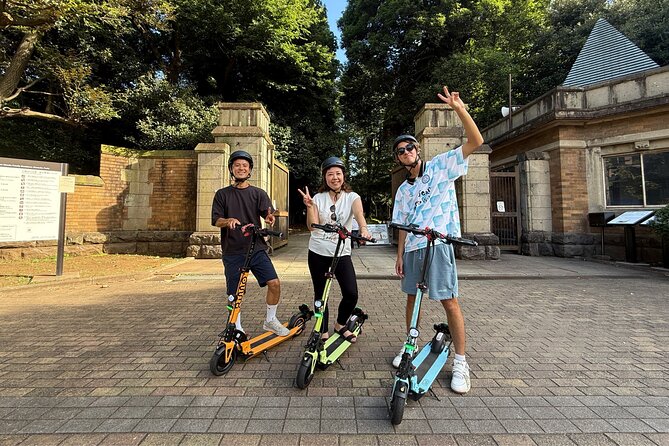
- Small group of up to six: You get a more personal ride and easier conversation with the English-speaking guide.
- Electric bikes with pedals: The bikes cover more ground than a walking tour while keeping the pace relaxed.
- Quiet Tokyo close to Shibuya: Shōtō, Tomigaya, Yoyogi, and Yoyogi-Uehara feel far removed from Shibuya Crossing, though they are only a short ride away.
- Seven varied stops: The route combines parks, a teahouse, a vintage shop, a shrine, public design, coffee, and an egg sandwich.
- A useful cultural stop: At Yoyogi Hachimangu Shrine, the guide explains Shinto customs and proper shrine manners.
- Weather matters: The activity requires good weather, with a new date or full refund offered if poor conditions cause cancellation.
Leaving Shibuya for Shōtō’s quiet streets
The tour begins at Liquor Shop Matsumoto in Shibuya’s Maruyamachō district. The meeting address is 10-15 Shibuya, Tokyo 150-0044, and the location is near public transportation. You return to this same spot at the end.
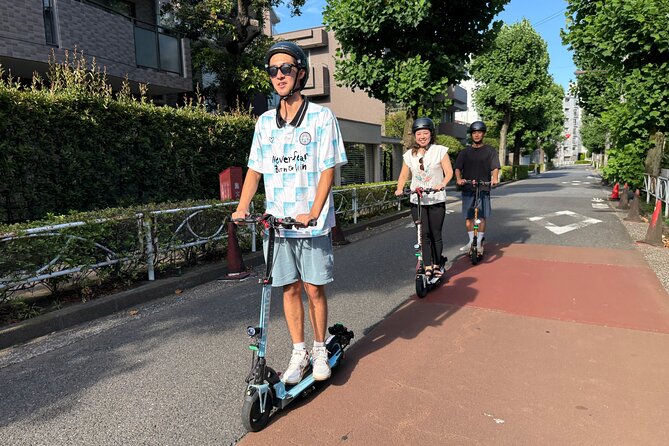
That starting point gives you a useful contrast. Shibuya is famous for giant screens, packed sidewalks, and its famous crossing. Shōtō is a short ride away, yet the mood changes quickly. The streets become quieter, the buildings more residential, and the city feels less like a postcard and more like a place where people actually live.
The electric bike is the key to the route. You still pedal, but the motor helps you cover several neighborhoods without the physical effort of a long cycling excursion. I would choose this tour over a regular bike ride if you want to see more than one district but do not want to spend half a day working up a sweat.
The group limit of six is important. A large cycling group can make city riding awkward, especially when stopping near shrines, parks, or narrow neighborhood streets. Here, the guide can explain what you are seeing without shouting across a crowd. The small format also suits anyone who likes to ask questions as the route develops.
More E-Bike Tours in the world:
- Athens Acropolis Official E-Scooter Guided Tour Fat E-Bike
★ 5.0 · 504 reviews - Santorini Tour on Electric Bikes & Scooters
★ 5.0 · 214 reviews - From Corralejo: Fuerteventura Guided E-Bike/E-scooter Tour
★ 4.8 · 209 reviews
Nabeshima Shoto Park and Tokyo’s public design
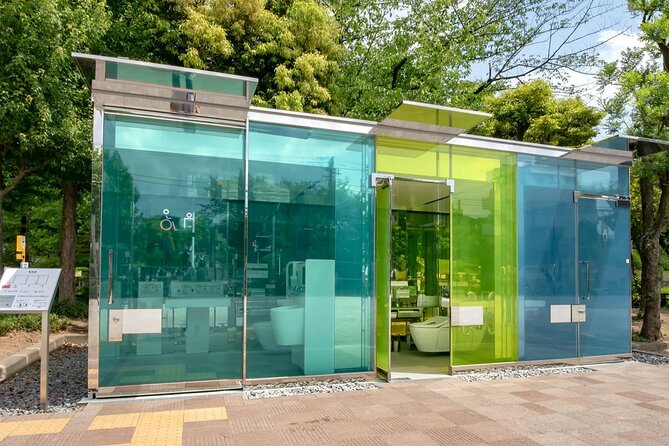
The first stop is Nabeshima Shoto Park, where you spend about 10 minutes. The guide explains the park’s history and points out a famous toilet designed by a world-known Japanese architect.
This is a brief stop, so do not expect a long park visit. Its value comes from the way it introduces a modern Tokyo theme: even ordinary public facilities can receive careful design attention. Tokyo’s public toilets became especially well known for combining practical use with architecture, art, and thoughtful materials.
For you, the stop offers an easy first photo opportunity and a chance to get comfortable with the bike. It also signals that this is not a standard highlights tour. You are not simply rushing between famous landmarks. You are looking at the small details that give each neighborhood its character.
A quiet pause at the Former Marquis Maeda Teahouse
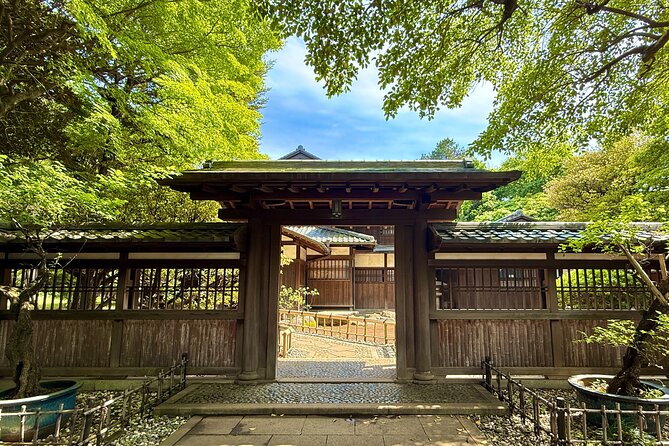
The longest visit is the 30-minute stop at the Former Marquis Maeda Teahouse. You leave the bikes and walk inside a classic Japanese teahouse, where the setting offers a quiet pause from the city.
This is one of the strongest parts of the route. The teahouse provides a sense of calm that a busy shrine or major attraction cannot always offer. You get time to slow down, look at the traditional setting, and listen to the guide’s explanation.
Admission is included, which matters because this is the only named admission included in the tour price. Food and drinks are not included, so you should not assume a tea service or meal comes with the visit. The description promises access to the teahouse, not a formal tea ceremony.
The stop also gives the ride a better rhythm. You begin outdoors, then have a longer walk and cultural visit before getting back on the bike. If you prefer a tour with constant movement, 30 minutes in a traditional teahouse may feel long. I see it as a welcome break, especially during a busy Tokyo itinerary.
Tomigaya’s small shops and a vintage stop
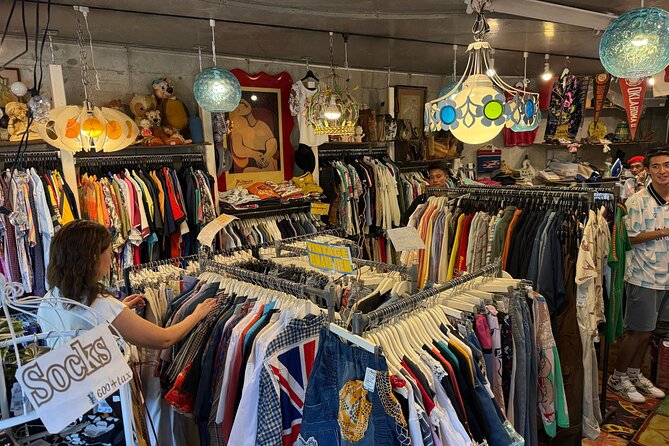
The route then moves into Tomigaya, with a 10-minute visit to Panamaboy Co., Ltd. This cozy vintage shop sells clothing and accessories and sits away from the main tourist paths.
The stop is short, but it adds a local shopping angle to the tour. You get a look at the kind of small business that can be easy to miss when you travel by train between major districts. The emphasis is less on buying a souvenir and more on seeing how neighborhood retail works in this part of Tokyo.
Because the shop visit lasts only about 10 minutes, plan your expectations carefully. You may have enough time to browse, but not enough for a long shopping session. If you see something you want, the schedule may not allow much lingering.
This is also where the electric bike proves useful. Tomigaya, Yoyogi, and Oku-Shibuya are close enough to connect by bike but spread out enough that walking between every stop would take more time and energy.
Same streets, a different machine under you:
- Florence Vespa Tour: Tuscan Hills and Italian Cuisine
★ 5.0 · 4,019 reviews - Scooter Tours of Red Rock Canyon
★ 5.0 · 2,174 reviews - Vespa Sidecar Tour By Night with Pickup
★ 5.0 · 1,803 reviews - Rome Morning Vespa Sidecar Tour in Rome with Cappuccino
★ 5.0 · 1,771 reviews
Yoyogi Hachimangu Shrine and simple Shinto guidance
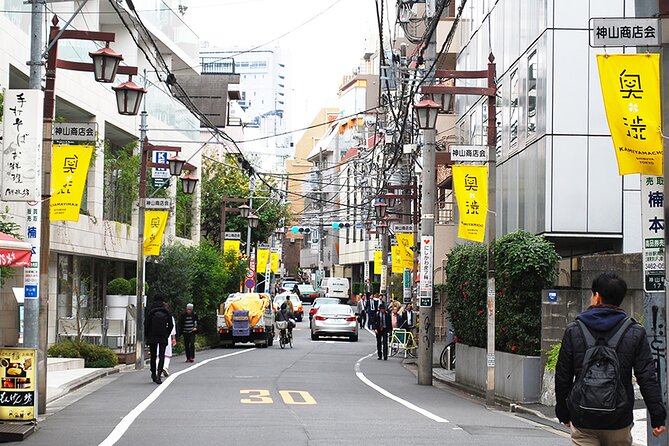
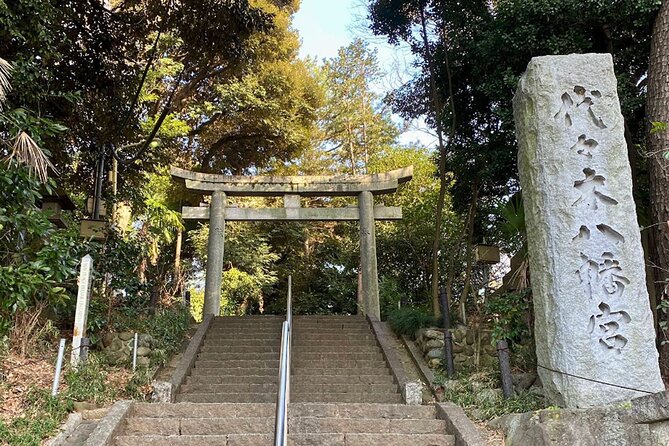
At Yoyogi Hachimangu Shrine, you spend about 20 minutes walking with the guide. The focus is Shinto, Japan’s ancient religion, along with the manners you should follow when visiting a shrine.
This is an especially useful stop for first-time visitors to Japan. Shrines can look simple at first glance, but the washing area, gates, offering box, bows, and hand gestures all carry meaning. A guide can explain the basics without turning the visit into a lecture.
The shrine also gives the route a strong sense of place. Yoyogi Hachimangu is in a neighborhood that feels surprisingly calm for its location near central Tokyo. You see a more local side of the city, one that does not depend on neon signs or major shopping streets.
The 20-minute timing is enough for an introduction, though not for a detailed study of every shrine feature. If you already know a great deal about Shinto, you may find the explanation basic. For most people, it provides just the right amount of context to make the visit more respectful and meaningful.
Coffee and public design in Yoyogi Fukamachi
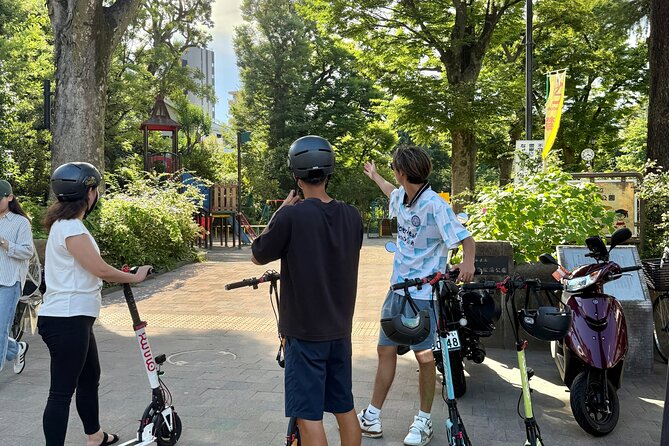
The route includes two short food and coffee breaks. At Little Nap Coffee Stand, you get about 15 minutes for a quick coffee break. Food and drinks are purchased separately, so carry a payment method and budget for these stops.
Little Nap gives you a chance to sit down, reset, and talk with the guide. That social element is part of the appeal. One review described the guide as friendly and easy to talk with, with the ride feeling like time spent with a local friend. That fits the small-group format well.
Next comes Yoyogi Fukamachi Mini Park, where you spend around 10 minutes. The park is known for Japan’s first public toilet using light control film. A button changes the glass from transparent to opaque.
It is an unusual stop, but it fits the tour’s interest in everyday design. You see how Tokyo can turn a basic public facility into a subject worth discussing. The stop is quick, so the guide will likely explain the idea and give you time for photos rather than provide a long architectural visit.
The route’s public-toilet stops may sound odd when written on paper. In practice, they help you notice a modern Japanese habit: public spaces often receive more design attention than visitors expect.
The egg sandwich at CAMELBACK
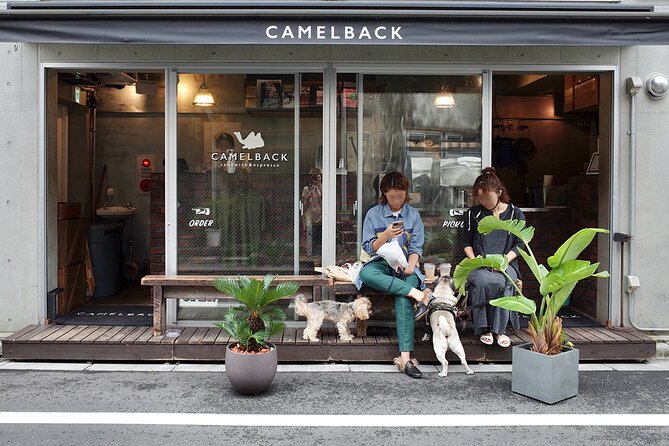
The final listed stop is CAMELBACK sandwich&espresso, with about 15 minutes for another break. The signature food is an egg sandwich made by a former sushi chef. Coffee is also available, but neither the drink nor the food is included in the tour price.
This is a smart ending for the route. After several cultural and design stops, you get something direct and local to eat. The egg sandwich gives the cafe visit a clear purpose, rather than making it just another generic coffee stop.
You should treat both cafe breaks as optional purchases, not part of the ticket. The tour includes the electric bike, guide, and admission to the Former Marquis Maeda Teahouse. Everything consumed at Little Nap and CAMELBACK costs extra.
If you have dietary restrictions, the supplied information does not explain ingredients or alternatives. Ask the provider before booking if the sandwich or cafe stops are important to you.
What the $52.03 price gets you
At $52.03 per person, this is not the cheapest way to move around Shibuya. You can explore many Tokyo neighborhoods on foot or by train for much less. The price makes more sense if you place value on the guide, the electric bike, the small group, and the route planning.
You are paying to connect several areas that could be difficult to combine on your own. The tour moves from Shōtō to Komaba and Yoyogi, then into Tomigaya and Yoyogi-Uehara, with stops chosen around local culture, design, shopping, and food.
The included teahouse admission adds some value, though the biggest benefit is the guide’s local knowledge. The tour is also limited to six people, and that keeps the experience from feeling like a bike convoy.
Group discounts are available, which may improve the price for some bookings. The activity is often booked about 130 days in advance, so I would not leave it until the last minute if your Tokyo dates are fixed.
The price is less attractive if you want a full meal, long cafe visits, or extended time at every stop. It is best understood as a guided neighborhood sampler, not a food tour or a full-day cultural excursion.
Who will enjoy this ride most
I would recommend this tour to anyone who has already seen central Shibuya and wants a quieter second look at the area. It also suits a first-time visitor who wants an introduction to local neighborhoods without giving up the convenience of a guide.
You will likely enjoy it most if you:
- Like small groups and conversation
- Want an active way to explore without a demanding bike ride
- Enjoy architecture, public design, shrines, cafes, and independent shops
- Prefer residential streets to major city sights
- Are comfortable paying separately for coffee and food
- Have good weather during your chosen time
The tour may be less suitable if you dislike cycling, want a long visit at each attraction, or prefer a tightly focused food and drink experience. The listed stops are varied, which is a strength, but the route does not spend a great deal of time at any one place.
The activity information says most people can participate, but it does not provide detailed bike requirements or special accessibility information. Ask the provider before booking if you have concerns about cycling or mobility.
Practical details before you book
The tour lasts about 2 hours and 30 minutes and finishes back at the starting point. You receive an English-speaking guide and an electric bike with pedals. Mobile tickets are available, and booking confirmation is provided at the time of booking.
The tour requires good weather. If poor weather forces cancellation, you are offered another date or a full refund. You can also cancel for a full refund up to 24 hours before the local start time. Changes or cancellations made less than 24 hours ahead are not accepted for a refund.
Wear clothes that allow easy movement and bring room in your schedule for the two cafe stops. Since food and drinks are extra, you can choose what fits your appetite and budget rather than paying for a fixed meal.
The provider is GET AROUND JAPAN. One review specifically praises a guide named Leo and describes the scooters as easy to ride, while the official details identify the equipment as electric bikes with pedals. If the exact vehicle type matters to you, confirm it when booking.
Should you book the Shibuya electric-bike tour?
Book it if you want to see the quieter side of Tokyo and like the idea of linking several local neighborhoods by bike. The small group, friendly guide style, shrine explanation, teahouse visit, and unusual public-design stops give the ride more substance than a simple sightseeing loop.
I would skip it if your main goal is famous landmarks, a large meal, or extensive shopping time. The tour moves at a steady pace, the cafe purchases are extra, and the route is best for sampling neighborhoods rather than mastering one of them.
For a modest group, this is a good way to turn a familiar Shibuya visit into something more local. It shows you where the city softens, where traditional homes sit beside modern design, and where a good coffee or egg sandwich can be part of the sightseeing.
FAQ
Where does the tour begin?
It begins at Liquor Shop Matsumoto in Maruyamachō, Shibuya, Tokyo 150-0044.
Where does the tour finish?
The activity ends back at the meeting point.
How long does the tour last?
The tour lasts approximately 2 hours and 30 minutes.
What type of bike is provided?
An electric bike with pedals is provided.
Is a guide included?
Yes. An English-speaking guide is included.
How many people can join?
The tour has a maximum of six participants.
Is admission to the Former Marquis Maeda Teahouse included?
Yes. Admission to the Former Marquis Maeda Teahouse is included.
Are food and drinks included?
No. Food and drinks are not included in the tour price.
Is the tour available with a mobile ticket?
Yes. Mobile tickets are available.
What happens if bad weather cancels the tour?
You are offered a different date or a full refund if poor weather causes cancellation.
Just added around the world
- Electric Scooter Tour: Full Tour (Old Town + Ostrów Tumski)★ 5.0 · 3 reviews
- Vespa – Wine and Photography service in Rome★ 5.0 · 32 reviews
- Visit Hossegor on an all-terrain electric scooter – with a guide★ 4.7 · 4 reviews
- Vespa Tour with Professional Photographer★ 4.9 · 9 reviews
- Rome: Vespa Tour with Gelato and Photos★ 4.9 · 7 reviews
- Vespa tour with Professional Photoshoot★ 4.8 · 22 reviews
- Vespa Voyage: Scenic Routes of Rome★ 5.0 · 41 reviews
- Vespa Tour – Explore Ancient Rome★ 5.0 · 5 reviews
E-Bikes, compared.
Athens Acropolis Official E-Scooter Guided Tour Fat E-Bike
Read our review →






The Highlights of Prague on eBike or electric Scooter
Read our review →Browse the lists this tour appears in