
Review · SEMINYAK
Kuta Seminyak Scooter Lessons
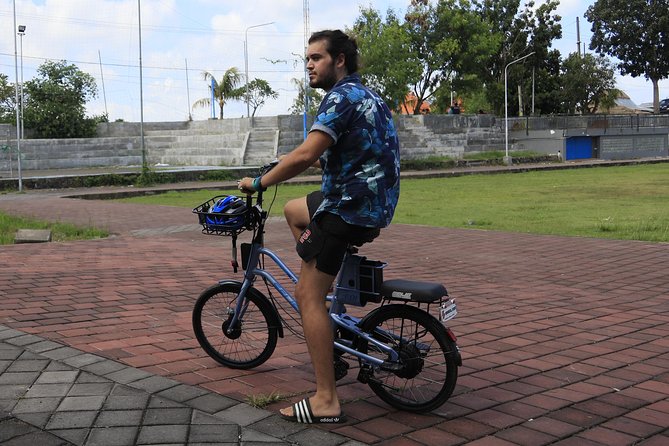
Bali feels different from a scooter seat. This two-hour lesson in Canggu gives you a careful start, first on a powered bicycle and then on a scooter. I like the step-by-step teaching and the chance to learn local street rules, not just throttle and brakes. I also like that the lesson is private, so your group receives the instructor’s full attention.
The main consideration is simple: this is training, not a sightseeing tour. You will spend your time learning to control the vehicle rather than touring Seminyak or Canggu. The price is also higher than simply renting a scooter for a few hours, though that comparison misses the point if you are still unsure on two wheels.
Key points at a glance
- A bicycle comes first: You begin on a powered bike with basic bicycle-style controls before moving to a scooter.
- Canggu is the practice base: The meeting point is on Jalan Raya Canggu, with the activity returning there.
- Raffi and Dio receive strong praise: Both instructors are described as calm, patient, clear, and supportive.
- Local road advice is part of the lesson: You learn street rules and ways to avoid problems with police.
- The lesson is private: Only your group takes part, which makes it easier to ask questions and repeat exercises.
- The $52 price buys confidence: Bicycle use, scooter use, and a helmet are included, but transport, breakfast, and water are not.
Why learning before renting makes sense in Bali
Across much of Asia, scooters are a common way to get around. In Bali, that can make a scooter lesson a useful skill session rather than a novelty. If you plan to spend a month or more traveling around Asia, the ability to ride may help you avoid repeated transport costs.
Still, do not treat this class as a shortcut to instant road confidence. Two hours can give you a foundation, but your comfort will depend on how quickly you learn and how much practice you need. The good news is that the lesson begins with basic control instead of putting you straight onto a scooter.
That order matters. A scooter combines balance, steering, throttle control, braking, and awareness of other road users. If you are nervous, the first stage gives you a gentler way to get your body used to powered two-wheel travel.
More Workshops in the world:
- Canggu Scooter Lessons
★ 5.0 · 195 reviews - Cooking class & Vibrant Market by Scooter/Tuktuk (Half-Day)
★ 5.0 · 55 reviews - 2 Hours Private Scooter Lesson in Bali
★ 5.0 · 32 reviews
Starting on a powered bicycle in Canggu
The meeting point is on Jalan Raya Canggu in Tibubeneng, within North Kuta and the wider Bali area. The activity is described as being in Seminyak, but the actual meeting and practice location provided is Canggu, so check your route carefully before setting out.
Your first task is to ride a powered bicycle. The purpose is not to tour the area. It is to build the basic balance and steering skills needed for the scooter that follows.
This is a sensible teaching choice for beginners. A bicycle-style start lets you focus on moving, turning, stopping, and staying steady before adding the scooter’s controls. If you already ride bicycles confidently, this section may feel brief. If you have little experience with two wheels, it gives you a safer way to settle in.
The setting is described as pleasant and calm in the strongest comments about the lesson. One participant particularly appreciated practicing in a quiet area before progressing to a busier road. That gradual change is important in Bali, where traffic conditions can feel very different from the empty road where you first learn.
You should expect the instructor to watch your control before moving you forward. The lesson is not built around rushing through a fixed list of sights. It is built around reaching the next step when you can handle the current one.
Moving from bicycle basics to scooter control
Once you manage the powered bicycle, you move to a scooter. The included scooter and helmet mean you do not need to arrange those items separately for the lesson.
The transition is the heart of the experience. You will need to transfer your balance and steering skills to a machine with scooter controls. Your instructor can then focus on the parts that make scooter riding feel unfamiliar, such as smooth movement, controlled stopping, and keeping calm as conditions change.
Raffi is repeatedly praised for being friendly, helpful, and careful about making sure the student had the basics before going onto the road. Dio is described as calm and patient, with a talent for breaking information into clear steps. Those details matter more here than cheerful small talk. A beginner needs an instructor who notices hesitation and does not push too fast.
The private format helps. Only your group participates, so the pace can suit your ability. You can ask for a point to be explained again without holding up a large class. It also gives the instructor a better chance to watch your habits closely.
One thing to keep in mind is that the supplied details do not promise a particular scooter model, transmission type, or exact practice route. If those details matter to you, ask the provider before booking.
Quiet roads before busier Bali traffic
The practice appears to progress from quieter roads to busier ones. This is one of the most useful features for someone who feels uneasy about riding in Bali.
A quiet road gives you room to think. You can work on steering and speed without feeling surrounded by traffic. After that, moving onto a busier road tests whether you can keep your attention steady when more is happening around you.
One strong account describes Raffi following behind while the student moved from a quiet road to a busier road. That arrangement offered reassurance without taking away the student’s control. For a first lesson, having the instructor close behind can make the road feel less intimidating.
The exact route is not fixed in the information provided, so you should not expect a sightseeing circuit through famous parts of Canggu or Seminyak. The scenery may be pleasant, and one student liked the surroundings, but the goal remains road practice.
This is also why the two-hour duration can pass quickly. Some of your time goes toward explanation, setup, and repeated practice. You are paying for instruction and supervision, not two uninterrupted hours of riding.
More Scooter Tours in the world:
- Florence Vespa Tour: Tuscan Hills and Italian Cuisine
★ 5.0 · 4,019 reviews - Scooter Tours of Red Rock Canyon
★ 5.0 · 2,174 reviews - Vespa Sidecar Tour By Night with Pickup
★ 5.0 · 1,803 reviews - Rome Morning Vespa Sidecar Tour in Rome with Cappuccino
★ 5.0 · 1,771 reviews
Local rules and avoiding trouble
The instructor also explains local rules, including street rules and how to avoid problems with police. That is a useful addition for someone planning to ride beyond this lesson.
Rules on paper are only part of riding well. You also need to understand how to behave around local traffic and how to avoid making a simple mistake into a stressful encounter. The lesson gives you a chance to ask about those concerns while an instructor is present.
The provided information does not list the exact rules covered. For that reason, do not assume the lesson replaces your own responsibility to check the documents and requirements relevant to riding in Indonesia. Treat this session as practical instruction, not legal clearance.
The police guidance is still valuable in a straightforward way. You learn what local habits and road behavior can help you avoid trouble. If you plan to ride for several weeks, that kind of advice can be worth more than another short sightseeing stop.
What the $52 price really covers
At $52, the lesson is not the cheapest way to spend two hours in Bali. It is priced as a private learning experience with equipment included.
You receive use of a bicycle, a scooter, and a helmet. Those inclusions remove some of the usual setup problems. You do not need to find a rental scooter for the lesson, and you can learn before committing to a longer rental.
The private format adds value, especially for a complete beginner. A group class might cost less, but you could spend more time waiting while other people practice. Here, the instructor can focus on your pace and repeat a skill if needed.
The value is strongest if you plan to ride for an extended stay. The tour description makes the case that regular scooter use can reduce transport spending across Asia. That saving is not guaranteed, since you may decide you prefer cars, taxis, or other transport, but the lesson gives you the option.
The price does not include breakfast or water. Private transportation is also not included, so you must make your own way to Jalan Raya Canggu. Bring water and allow enough time to reach the meeting point without rushing. The supplied opening hours are extremely broad, from 1:00 AM to 11:30 PM daily, but confirm your actual lesson time when booking rather than relying on that general window.
Who will get the most from this lesson
This experience suits you best if you are new to scooters or have ridden only a little. It is also useful if you can ride a bicycle but feel unsure about managing a motorized two-wheeler.
You might also benefit if you are preparing for a longer trip around Asia. Learning in a private setting, with a helmet and scooter supplied, gives you a practical first step before deciding how much riding you want to do.
It is less suitable if you already ride scooters confidently and only want to explore Bali. You would likely find the basic bicycle stage too slow, and the lesson does not promise a scenic route or a full-day tour.
The class may also be a poor fit if you expect transport from your hotel. That service is not included. You need to reach the meeting point yourself, and the activity returns there at the end.
The teaching style you can expect
The clearest pattern in the feedback is patience. Raffi is praised for being friendly and supportive. Dio is praised for calm explanations and for turning instructions into manageable steps.
That teaching style is especially helpful if you are anxious. A good beginner lesson should make you feel able to correct mistakes, not embarrassed by them. The strongest comments describe a relaxed session that built confidence by starting slowly and increasing the challenge.
There is also a useful warning in the mixed response. One customer had an argument with the provider after changing dates several times and becoming unwell after the instructor had already arrived in Ubud. The provider disputed that account and said it had tried to return the money. The practical lesson for you is to confirm dates carefully and communicate promptly if plans change.
The overall score is 4.9 from 40 ratings, with 98 percent recommending the experience. That is a strong result, but it does not remove the need to judge the lesson against your own comfort level and expectations.
Booking, weather, and cancellation details
You receive confirmation at booking, and the activity is near public transportation. The experience is private, with only your group taking part.
Free cancellation applies when you cancel at least 24 hours before the start time. A cancellation within 24 hours is not refunded, and changes made within that period are not accepted. The cut-off uses local time.
The lesson requires good weather. If poor weather causes cancellation, you are offered another date or a full refund. That is worth remembering when planning a tight Bali schedule, particularly if you have only one free morning.
Should you book Kuta Seminyak Scooter Lessons?
Book it if you want a patient introduction to scooters before renting one in Bali or taking a longer trip around Asia. The private format, bicycle-first method, helmet, scooter, and local road guidance make the $52 cost reasonable for a beginner who values support.
I would be especially inclined to book if you feel nervous around traffic. The move from quiet roads to busier roads, along with instructors such as Raffi and Dio, gives you a measured way to build confidence.
Skip it if you already ride comfortably or if you mainly want sightseeing. Also skip it if you need hotel pickup, since private transport is not included. For the right beginner, this is a useful practical lesson, not a flashy excursion, and that is exactly its appeal.
FAQ
Where does the scooter lesson begin?
It begins at Jalan Raya Canggu, Tibubeneng, in North Kuta, Bali. The activity ends back at the meeting point.
How long does the experience last?
The lesson lasts approximately two hours.
What equipment is included?
Use of a bicycle, a scooter, and a helmet is included.
Is transportation to the meeting point included?
No. Private transportation is not included, so you must make your own way to the meeting point.
Is the lesson private?
Yes. Only your group participates in the activity.
What happens if the weather is poor?
If the experience is canceled because of poor weather, you are offered a different date or a full refund.
Just added around the world
- Electric Scooter Tour: Full Tour (Old Town + Ostrów Tumski)★ 5.0 · 3 reviews
- Vespa Tour with Professional Photographer★ 4.9 · 9 reviews
- Vespa – Wine and Photography service in Rome★ 5.0 · 32 reviews
- Visit Hossegor on an all-terrain electric scooter – with a guide★ 4.7 · 4 reviews
- Rome: Vespa Tour with Gelato and Photos★ 4.9 · 7 reviews
- Vespa tour with Professional Photoshoot★ 4.8 · 22 reviews
- Vespa Voyage: Scenic Routes of Rome★ 5.0 · 41 reviews
- Vespa Tour – Explore Ancient Rome★ 5.0 · 5 reviews
Workshops, compared.


Cooking class & Vibrant Market by Scooter/Tuktuk (Half-Day)
Read our review →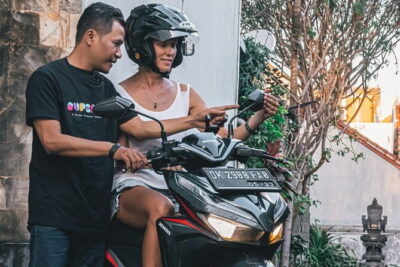
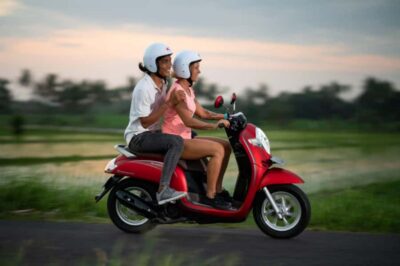
Canggu: Scooter Lesson with Professional Instructor
Read our review →
Hoi An Cooking Class & Vespa Cooking Adventure Tour
Read our review →

Half-day Electric Scooter Adventure And Art Workshop In Hoi An
Read our review →
Browse the lists this tour appears in